DallasJune 30, 2026, 6 min read
Why bringing AI leaders together in the same room matters more than ever
A reflection on why small, off-the-record rooms of senior AI operators are becoming one of the clearest sources of judgment, clarity, and durable advantage.
By Dianne, GILD
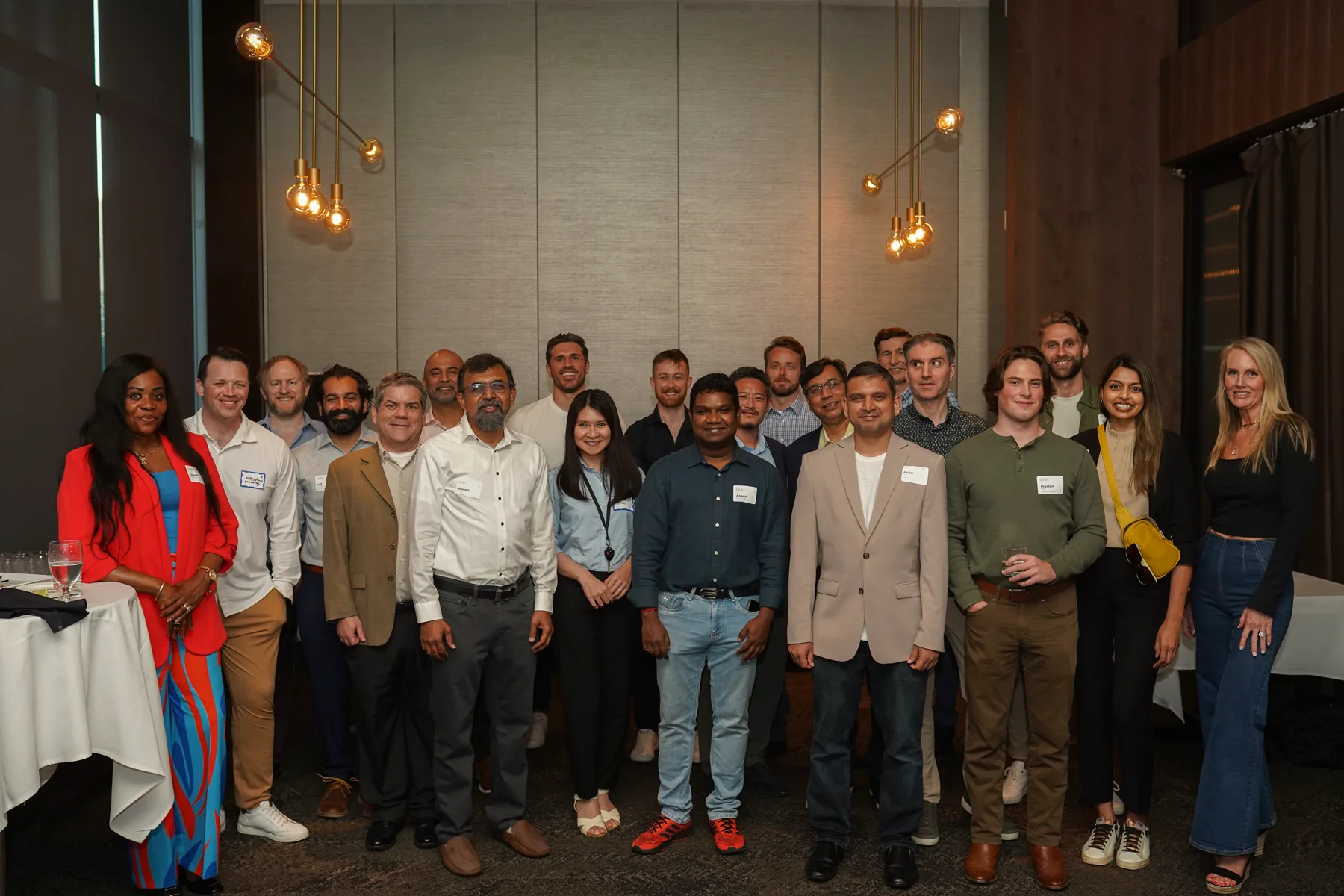
A few years ago, "AI strategy" was something you could keep up with by reading. Now the ground shifts every week. A model release on a Tuesday can erase a category by Friday. In that environment, the most valuable thing is not another newsletter or another launch, it is a room full of people who are actually making the decisions, comparing notes before the market catches up.
That belief is the entire reason we keep building GILD.
The vision: real operators, not panels
GILD is a community for senior AI and engineering leaders, founders, product leaders, engineers, and investors who are building, funding, and navigating this shift in real time. We keep the rooms small and the conversations off the record on purpose. The goal was never to host another conference with a stage, a sponsor banner, and a Q&A that runs out of time. It was to recreate the conversation that usually only happens after the official event ends: the one in the hallway, between two people who have each quietly solved the problem the speaker was describing.
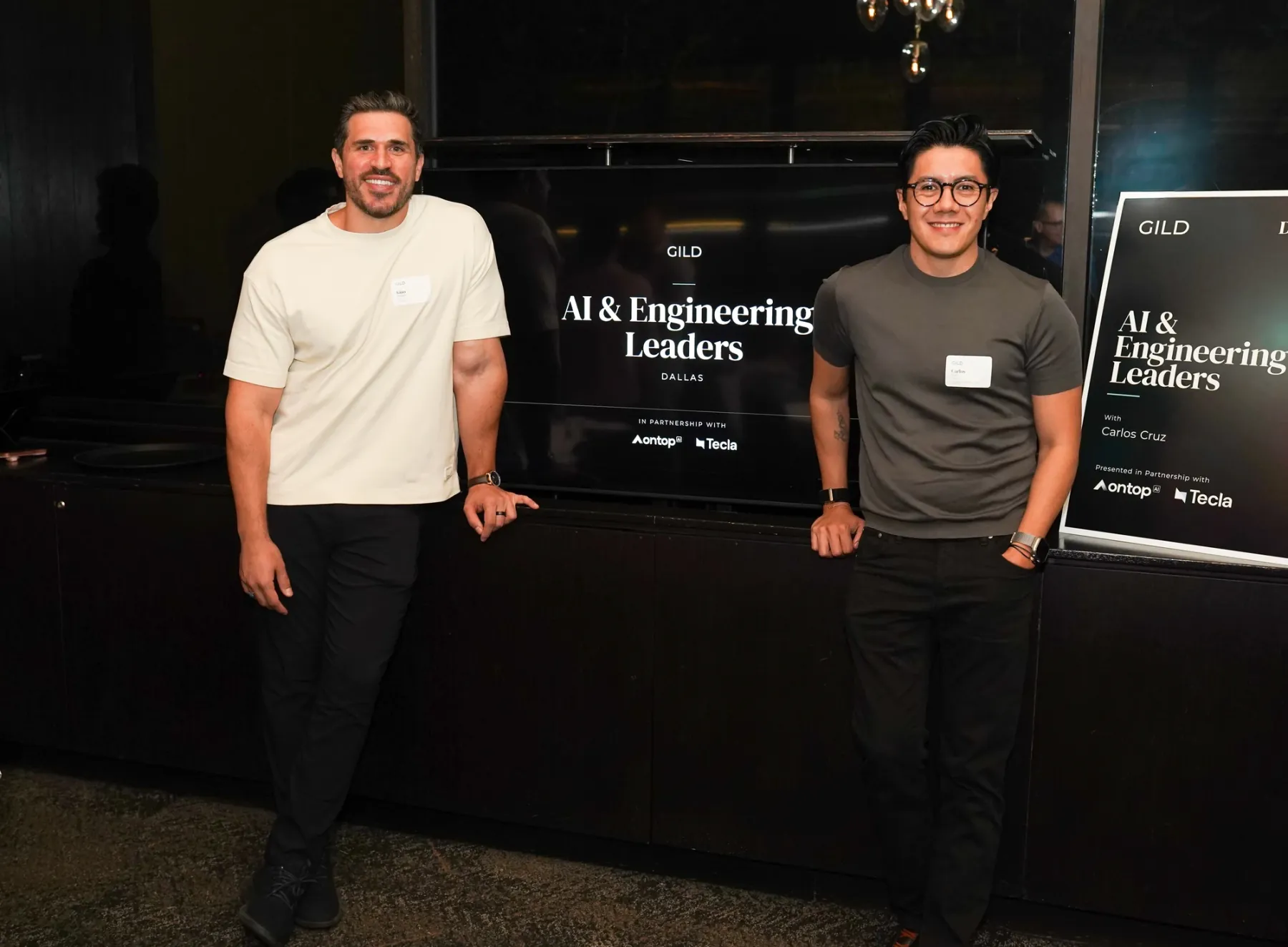
Over the past few months we have been running these gatherings across Dallas, Austin, and Miami. What keeps surprising us is not the caliber of the speakers, though that has been remarkable. It is what happens when experienced operators stop performing for an audience and start actually thinking together. The questions get sharper. People admit what is not working. Someone two seats down turns out to have lived through the exact thing you are staring at on your roadmap.
That is the shift we believe in: bringing real leaders together, in person, while the decisions are still being made, not narrating them afterward.
A Dallas evening that made the case
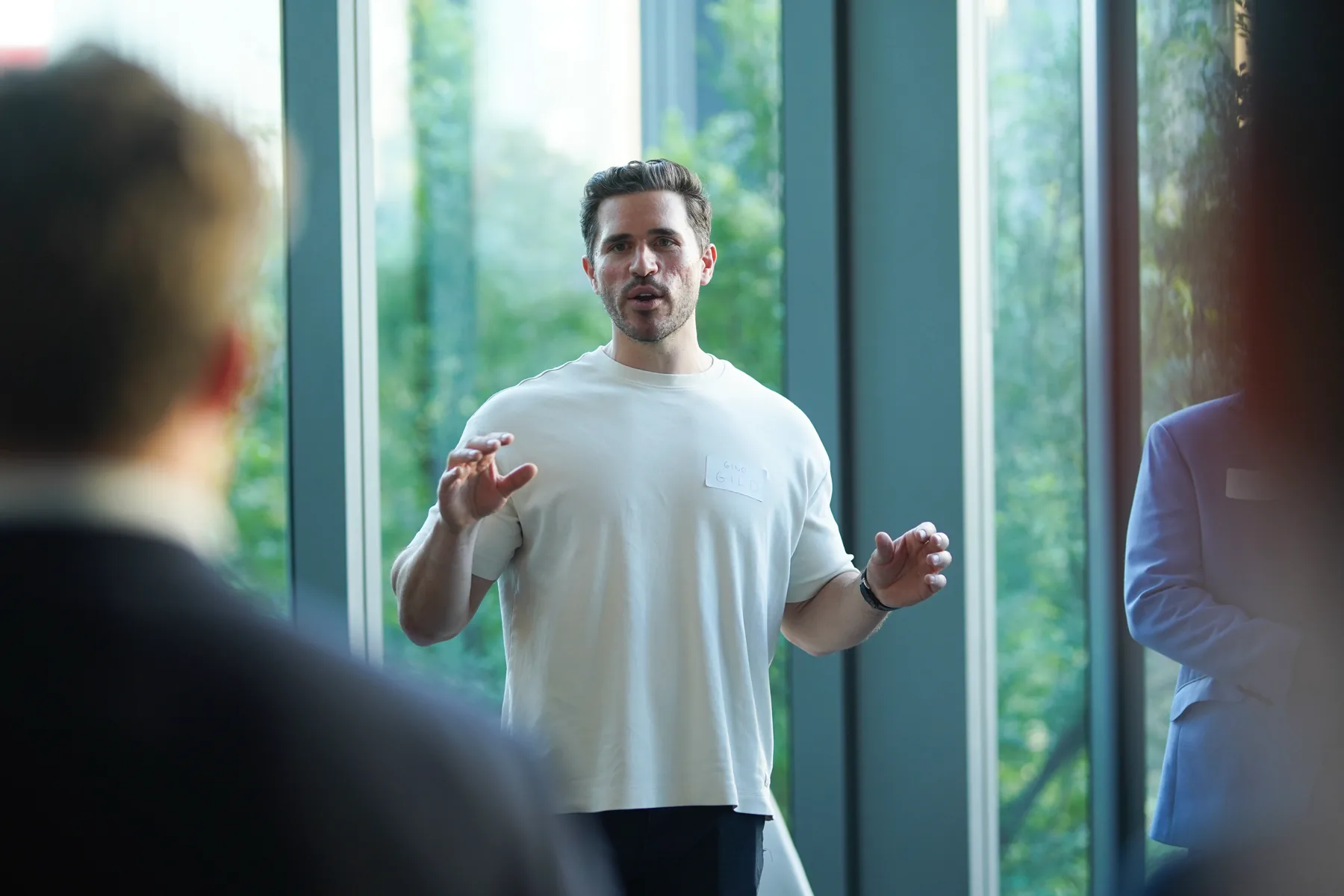
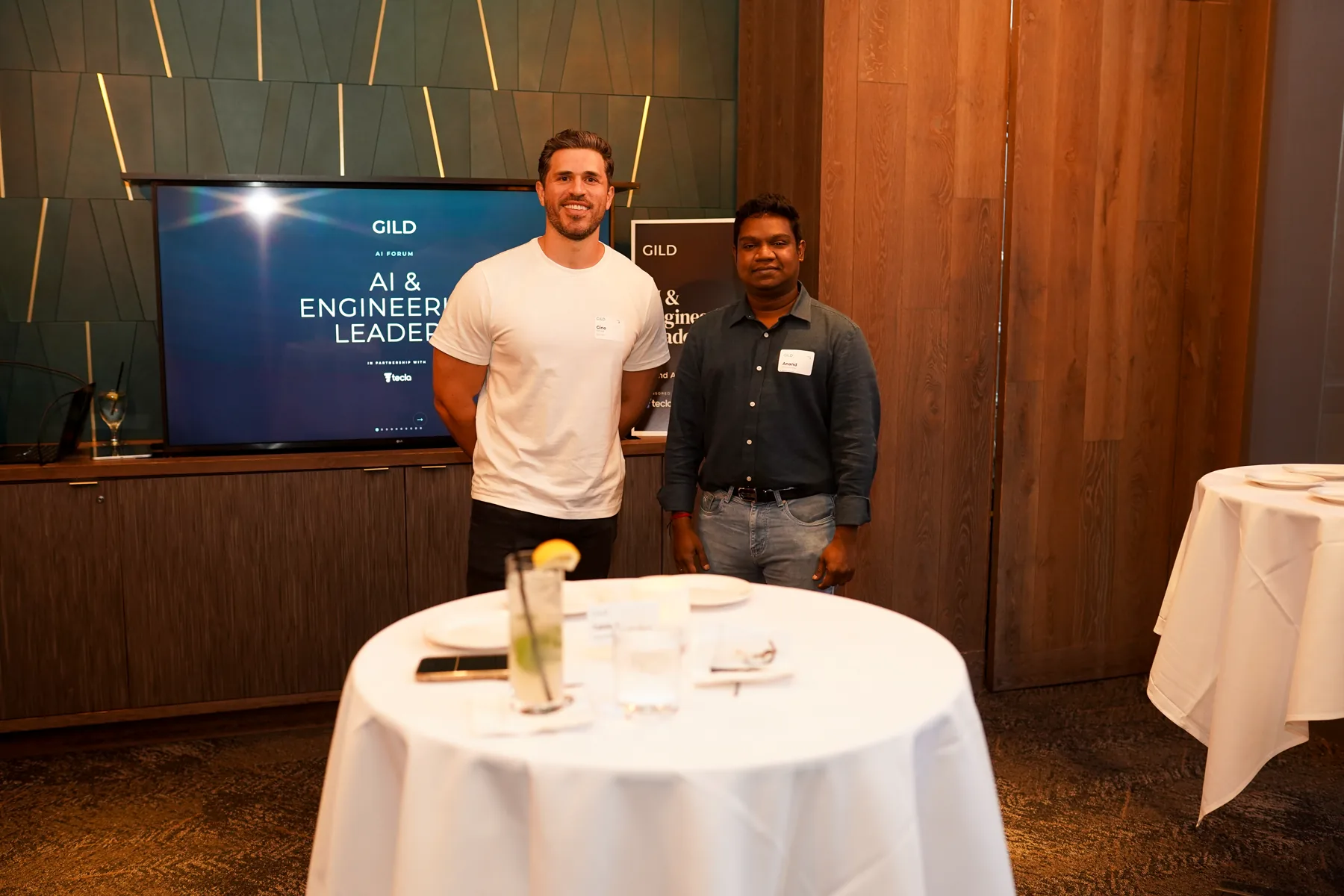
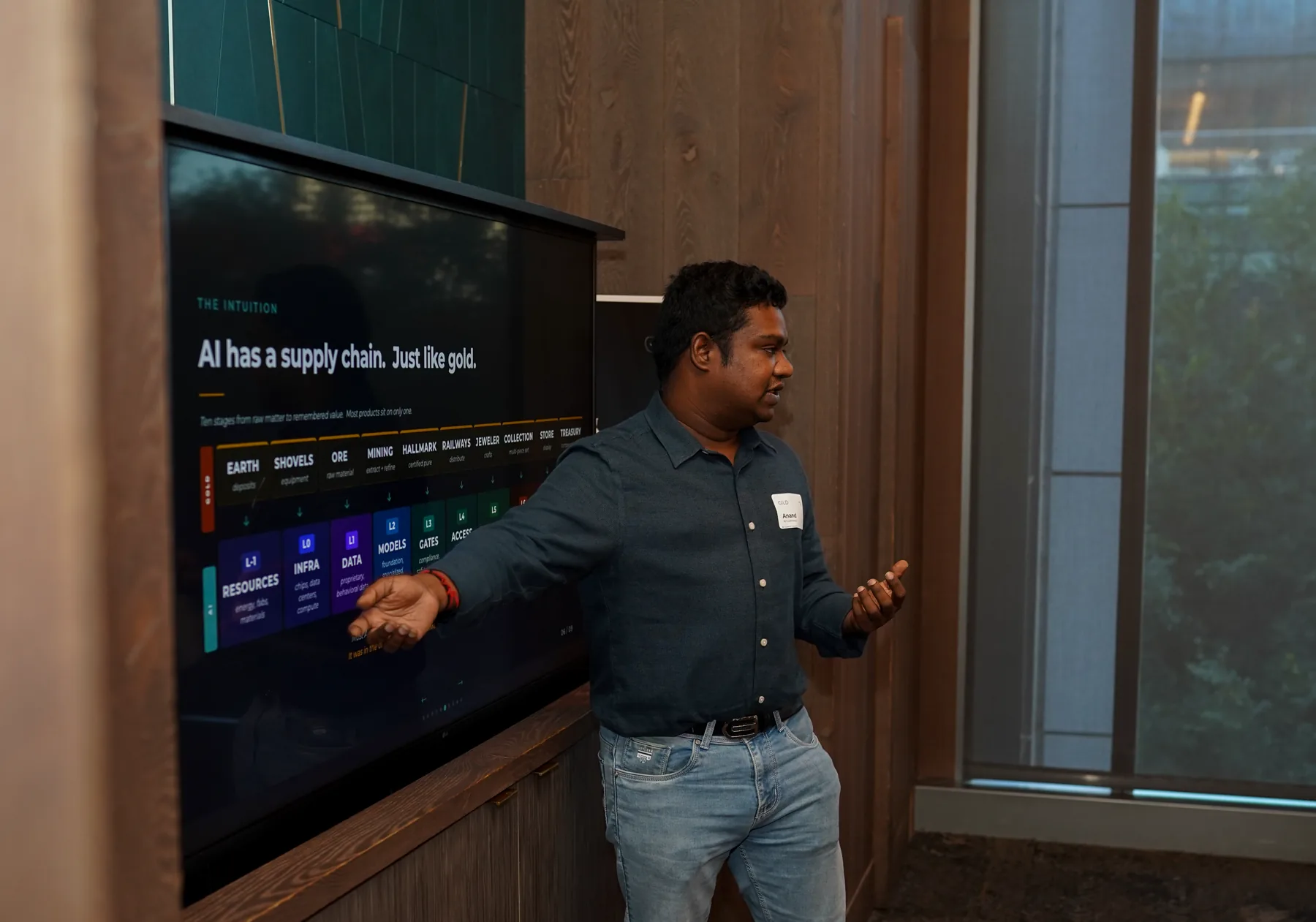
A recent Dallas event captured exactly why we do this. We hosted Anand Arivukkarasu, a former Meta and Instagram product leader, who walked the room through his Supply Chain of Intelligence framework.
What made it land was not that it was about AI. Almost everything is now. It was that it gave a room of operators a shared language for a question they were all privately wrestling with: is what I am building actually defensible, or am I a thin layer on top of someone else's model?
Rather than fixating on which model or tool is winning this month, the framework maps how intelligence is created, refined, governed, and ultimately monetized across the whole stack, from data and compute all the way up to workflow, interface, and memory. It draws a hard line between three things teams constantly blur together: using AI to cut internal costs, using AI to sell and market faster, and putting AI inside the product itself. Only the last one, Anand argued, is where durable advantage actually lives, and even there, only at specific layers.
One idea did most of the work in the room: most AI products sit on a single layer, and usually the wrong one. A beautiful interface gets you users; it does not keep them. The companies that compound own something deeper: proprietary data, the workflow itself, or the memory that makes leaving expensive. He had a phrase for the trap on the other side that people kept repeating to each other afterward: wrappers become features. If your entire product is one prompt away from being free inside a platform you do not control, that is not a moat, it is a countdown.
The feedback was overwhelming and that is the real story
For me, the session was not the most telling part of the night. The afterward was. And the afterward was, honestly, overwhelming.
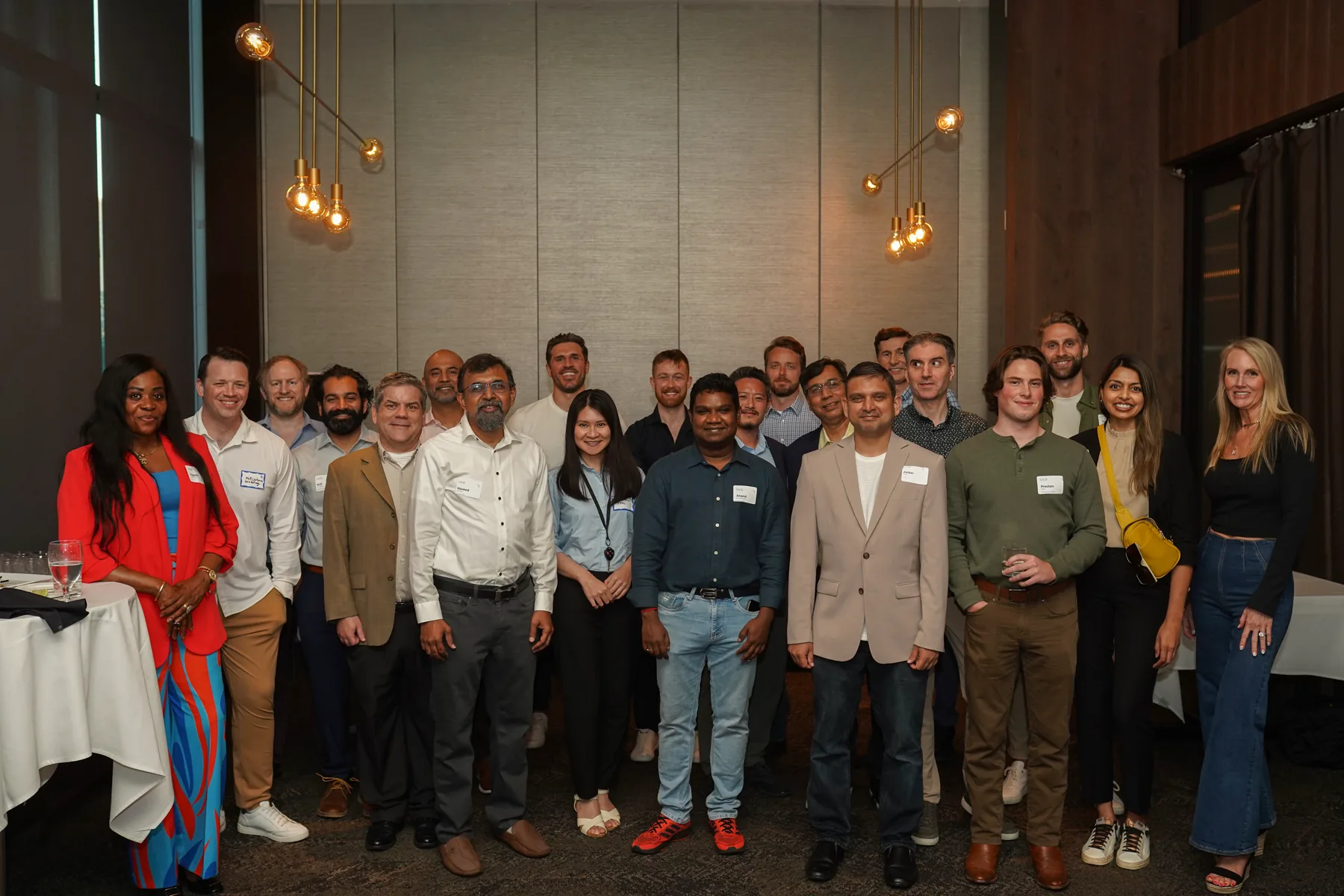
Attendees did not drift to the door. They stayed, and they kept going, pulling up their own roadmaps, arguing about which layer they truly owned, swapping introductions, debating where to place their next bet. The conversation followed people out into the parking lot and into our inboxes the next morning. The messages did not stop. People told us it was one of the most useful evenings they have spent all year. Founders reached out to investors they had met that night. Product leaders compared notes with engineers who had hit the same wall from the other side. More than a few asked, simply, when is the next one?
We have hosted a lot of events. The volume and the depth of the response to this one was on another level, and it was not really about us. It was about what happens when you put the right people in a room and give them something genuinely worth talking about. The value people walked away with, clarity on a decision, a contact they had been trying to reach for months, a framework that reframed their roadmap, was the kind you cannot manufacture with a slick agenda. It came from the room itself.
That is the signal we chase. The most useful frameworks are not the ones that sound impressive on a slide. They are the ones that hand people a new lens on a problem they already had, and suddenly a familiar challenge looks different, and a stuck decision starts to move. When the feedback runs that hot, it is a sign the room delivered something real.
Why community is becoming the differentiator
Here is the conviction underneath all of this. Technology is moving faster than any one person can track. Models, tools, and best practices are being rewritten on a monthly cadence. In that kind of environment, your edge is not access to information, information is everywhere and mostly free. Your edge is judgment, and judgment is built fastest in conversation with people who are a step ahead of, or a step beside, where you are.
That is the quiet thing a good community does. It compresses the time between a shift happening and you understanding what it means for your work. It lets you pressure-test a decision against people with real scar tissue before you commit a quarter to it. It turns a lonely bet into a shared one.
The version of this that lives only online, endless feeds, hot takes, threads, has real value, but it has a ceiling. The conversations that actually change decisions still tend to happen in rooms, between people who trust each other enough to say what they really think.
What is next
We are going to keep building these rooms across Dallas, Austin, Miami, and beyond. The energy, the candor, and the willingness to share hard-won lessons that we have seen from this community make me more convinced, not less, that some of the most important AI conversations are happening offline, among people learning directly from one another.
To everyone who has joined us so far: thank you. You are the reason this works. And to the leaders we have not met yet, we are building these rooms for you, too.
If you are building, investing in, or steering through the AI shift and want to be part of these conversations, Gino, Sara and I would love to have you in the next one.
Dianne, GILD
Dianne, GILD, June 30, 2026